December 2025
What Are Millets? A Quick Guide
Millets are a group of small-seeded grasses that have been cultivated in India for thousands of years. Before rice and wheat took over, millets were the staple food of the Indian subcontinent.
They're drought-resistant, grow in poor soil, and require minimal water - which is why they thrived in India for millennia. They're also incredibly nutritious, which is why our ancestors thrived on them too.
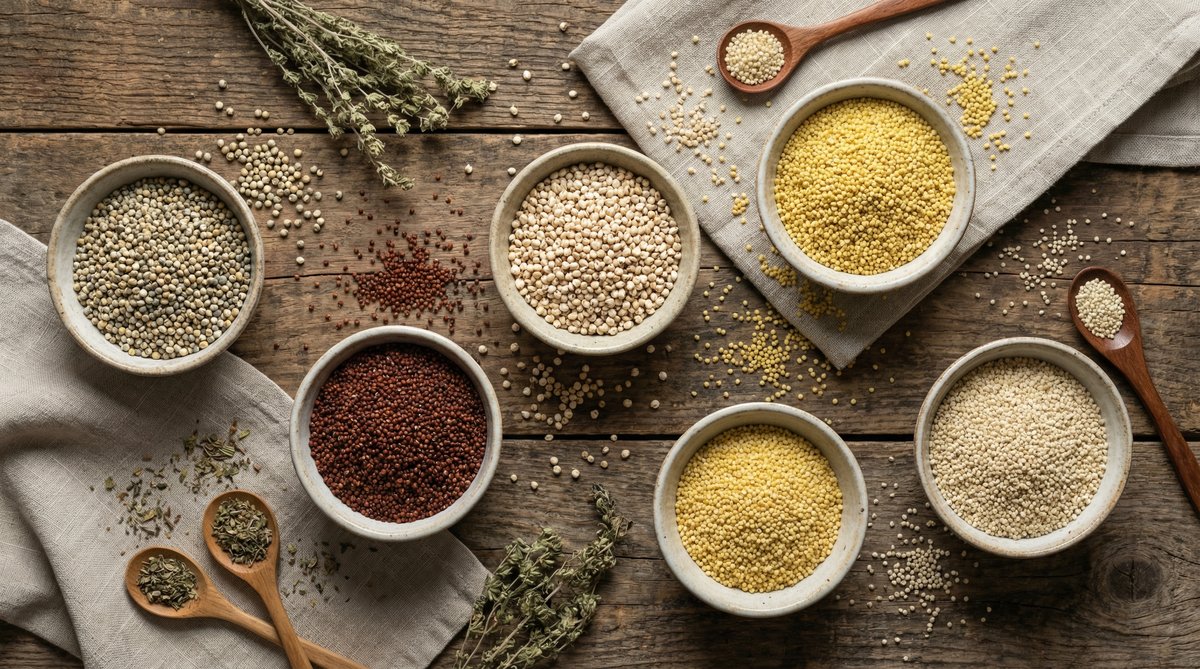
The Main Players
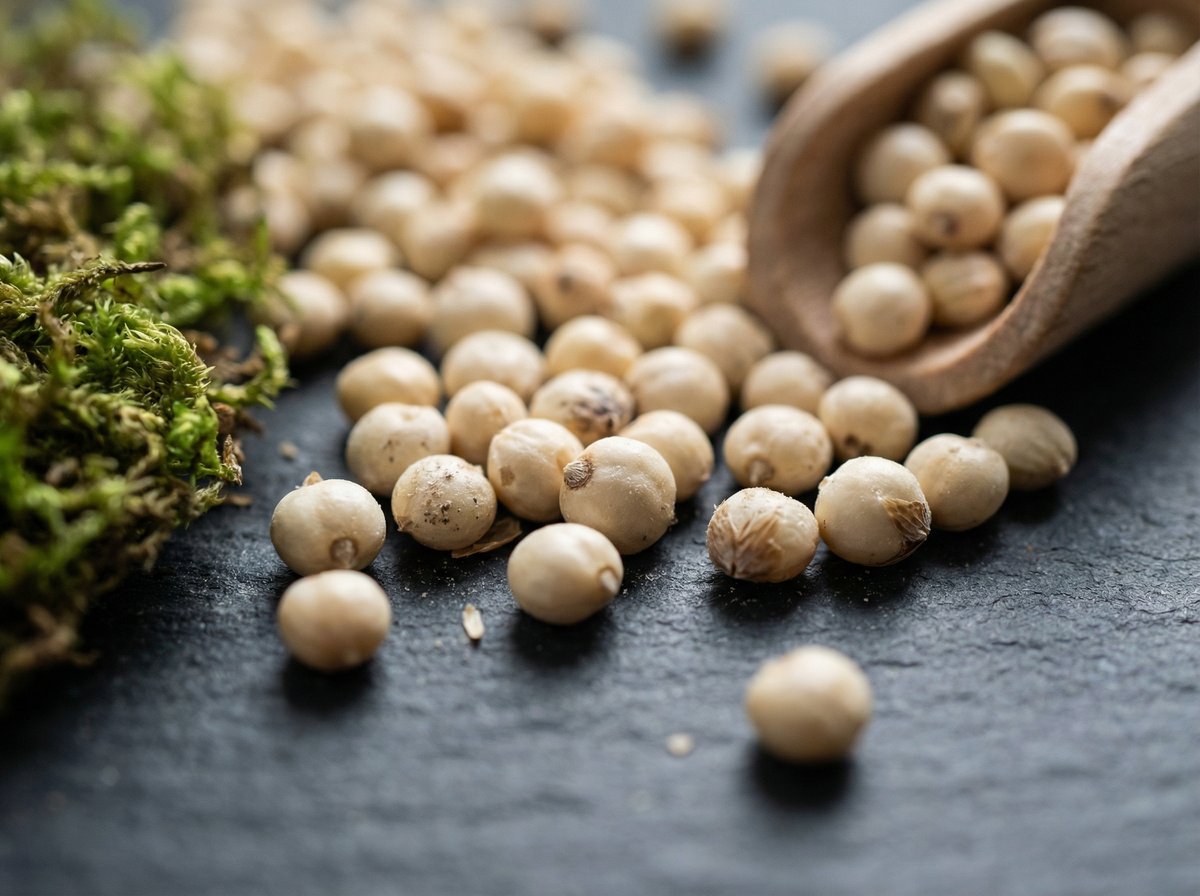
Jowar / జొన్న (Sorghum)
The most widely grown millet in India. Jowar (called Jonna in Telugu) is nutty, slightly sweet, and incredibly versatile. It's high in fiber, rich in antioxidants, and has a low glycemic index - meaning it won't spike your blood sugar like white rice does.
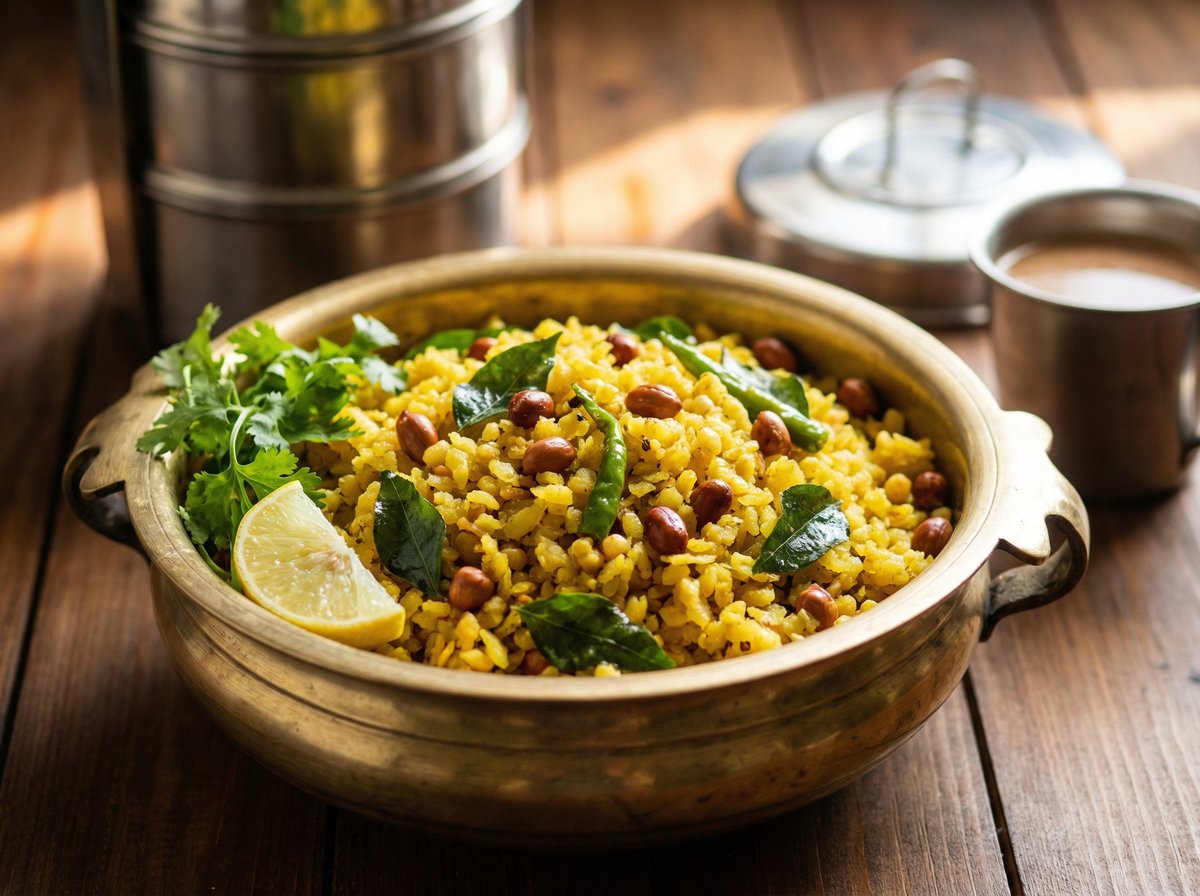
At Enjoy Sehat, we use jowar for our signature poha. Soaked overnight and sauteed with curry leaves and spices, it becomes something special.
Bajra / సజ్జ (Pearl Millet)
The king of millets in terms of nutrition. Bajra (called Sajja in Telugu) is high in protein, iron, and magnesium. It's warming, filling, and perfect for winter.

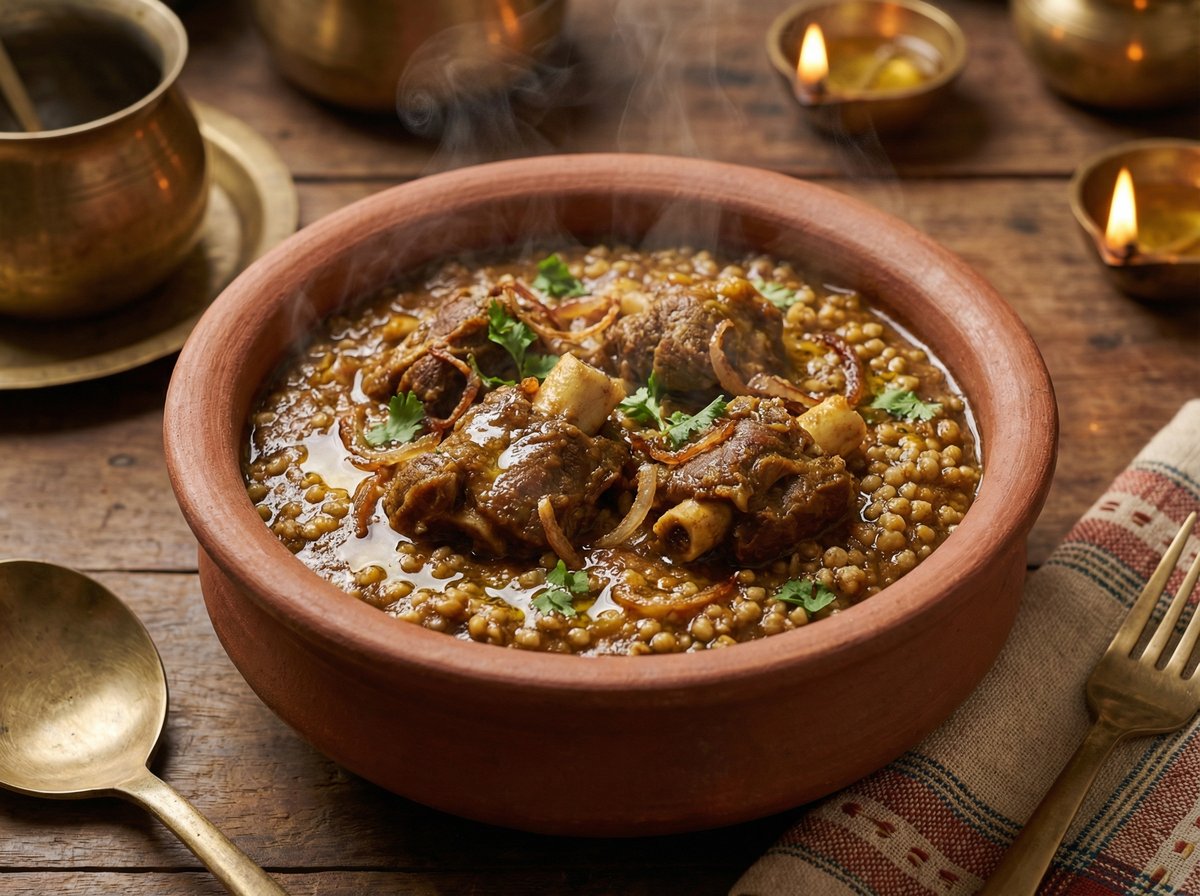
We use bajra as the base for our khichdi. When cooked with bone broth and spices, it absorbs all those flavors and becomes incredibly rich.
Ragi / రాగి (Finger Millet)
The calcium champion. Ragi (same name in Telugu - రాగి) has more calcium than any other grain - including dairy. It's dark, earthy, and makes an amazing drink when mixed with yogurt.
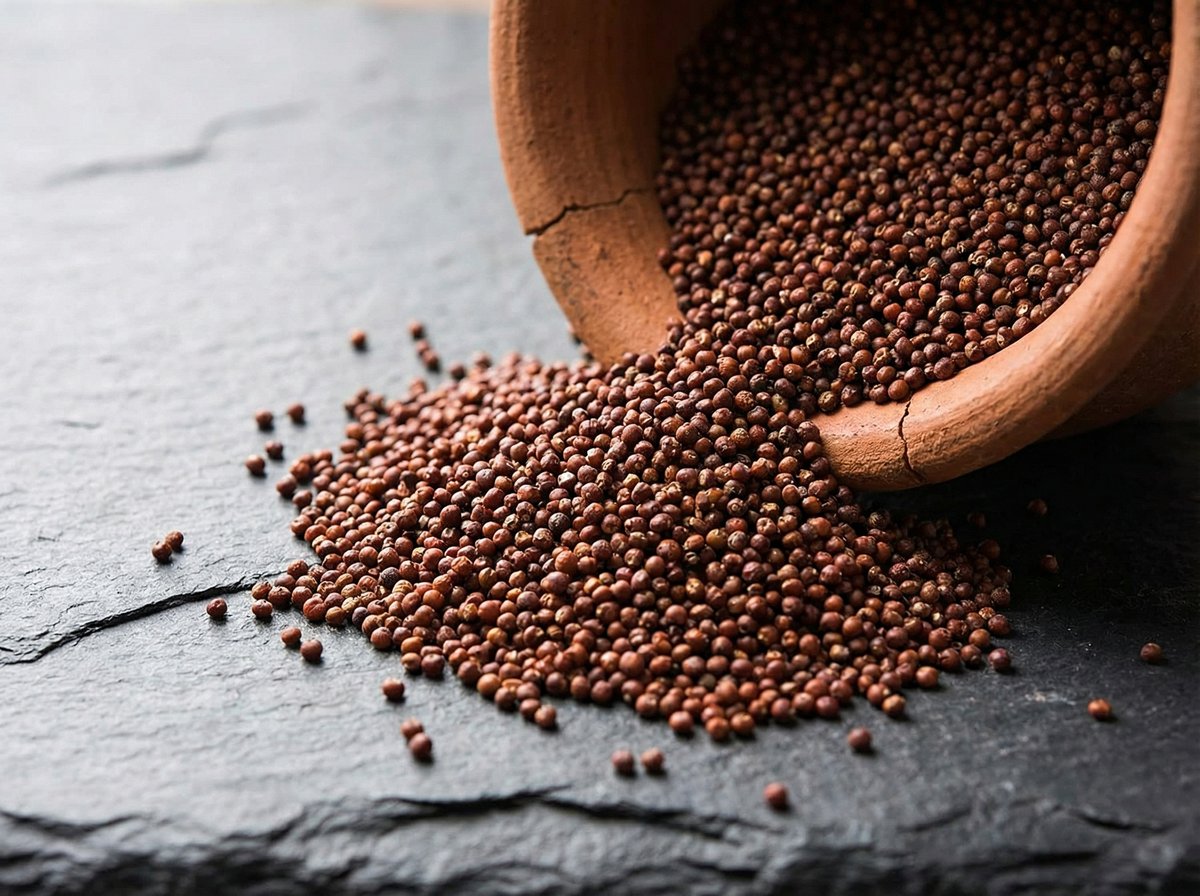
Our ragi yogurt drink is like a savory smoothie. Filling, nutritious, and surprisingly refreshing.

Foxtail Millet / కొర్ర (Korra)
The texture master. Foxtail millet (called Korra in Telugu) has a delicate, almost rice-like texture. It cooks quickly and works beautifully in combination with other millets.
We mix foxtail into our khichdi to balance the heartiness of bajra with a lighter texture.
Little Millet / సామ (Sama)
The lightest of the millets. Little millet (called Sama in Telugu) is easy to digest, quick to cook, and great for those just starting their millet journey.
Other Millets You Should Know
- Barnyard Millet / ఊదలు (Oodalu) - Great for those fasting, very light
- Kodo Millet / అరికెలు (Arikelu) - Good for weight management
- Proso Millet / వరిగ (Variga) - Easy to digest, mild flavor
Why Millets Disappeared
If millets are so great, why did we stop eating them?
The Green Revolution happened. In the 1960s, India focused on increasing rice and wheat production to fight famine. It worked - we produced more food than ever before. But millets got left behind.
Rice was easier to cook. Wheat made softer rotis. And as India urbanized, people wanted "modern" foods, not the "poor man's grains" their village ancestors ate.
The result? We swapped nutritious, drought-resistant local crops for water-intensive grains that require more resources and offer less nutrition.
Why Millets Are Coming Back
The United Nations declared 2023 the International Year of Millets. Suddenly, the world is paying attention to what India knew all along.
Here's why:
- Climate resilience: Millets need 70% less water than rice. As water becomes scarcer, they become more important.
- Nutrition: Higher protein, fiber, and minerals than refined grains. Better for our bodies.
- Low glycemic index: They don't spike blood sugar, making them ideal for diabetics and anyone watching their health.
- Gut health: The fiber in millets feeds good gut bacteria. Your digestion improves.
- Sustainability: They grow in poor soil without chemicals. Better for the planet.
The Taste Challenge
Here's the honest truth: millets can taste boring if you cook them wrong.
Most people try millet rotis and give up. They're dense, they're dry, and they make you miss wheat.
The secret is treating millets differently. They need:
- Soaking: 8-12 hours minimum. This makes them digestible and brings out their natural flavors.
- Combinations: Mix different millets for better texture.
- Bold flavors: Millets can handle strong spices. Don't be shy.
- Proper cooking: Different millets need different techniques. Learn them.
That's exactly what we've done at Enjoy Sehat. We've figured out how to make millets taste incredible - not just acceptable.
Start Your Millet Journey
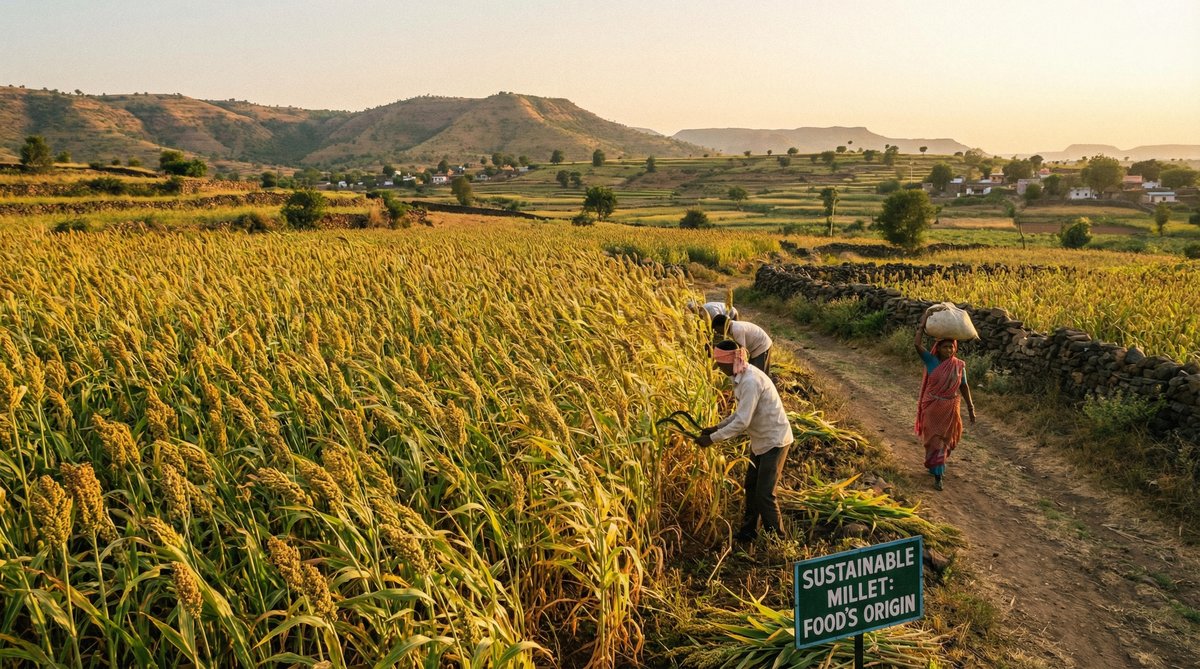
If you're new to millets, don't try to replace all your rice and wheat immediately. Start with one meal. Try our millet idli or jowar poha. Let your taste buds adjust.
Your body will thank you. Better digestion. More energy. Stable blood sugar. These aren't just claims - they're what happens when you eat food your body was designed for.
Welcome to the millet revival. It tastes better than you expect.